Fully licensed & accredited
-
 Building & Plumbing Commission
-
 Australian Society of Building Consultants
-
 Strata Community Association
-
 Building Dispute Practitioners Society
Plenty of Point Cook homes are now old enough for a slow leak or a buried weep hole to show itself as mould. A mould and moisture inspection looks for the likely source of the water and recommends what will stop it coming back, including any further testing needed.
One of our inspectors will call you back.
If it is urgent, email [email protected]
Fully licensed & accredited
Building & Plumbing Commission Australian Society of Building Consultants Strata Community Association Building Dispute Practitioners Society The inspection is visual and non-destructive, uses a moisture meter and thermal camera across the accessible areas, and measures the likely cause against the National Construction Code, its condensation management provisions included, and AS 3740 for domestic wet areas.
21 checkpoints across 6 areas on a standard Point Cook mould and moisture inspection. Whatever is locked, sealed or buried under stored goods on the day goes in as not inspected. Unreachable work is never marked satisfactory.
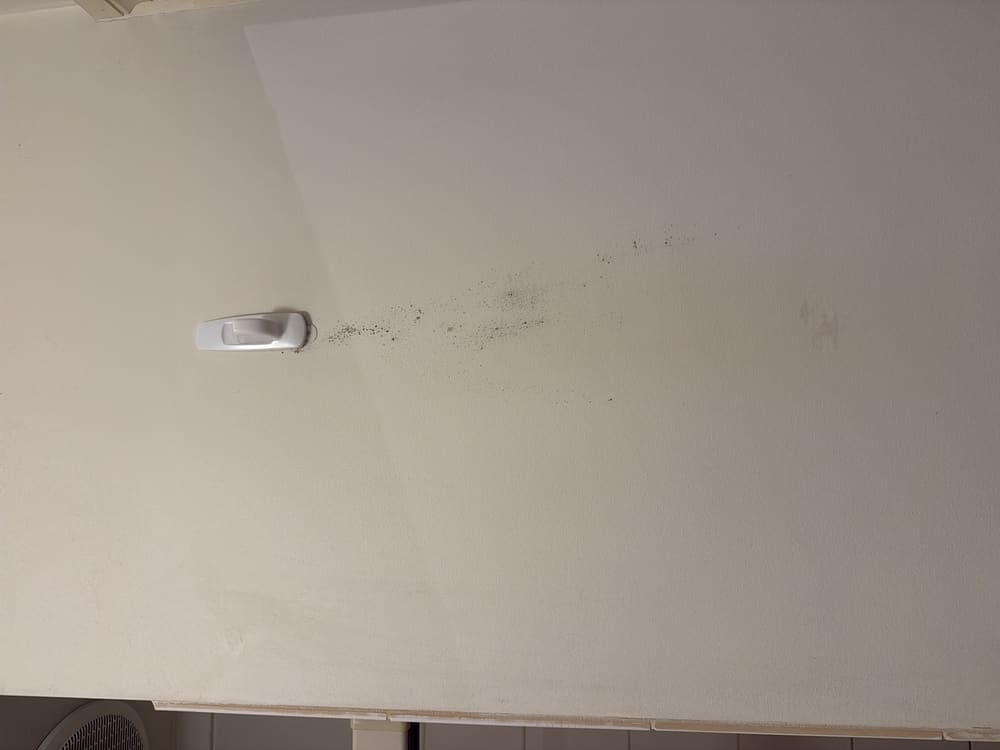
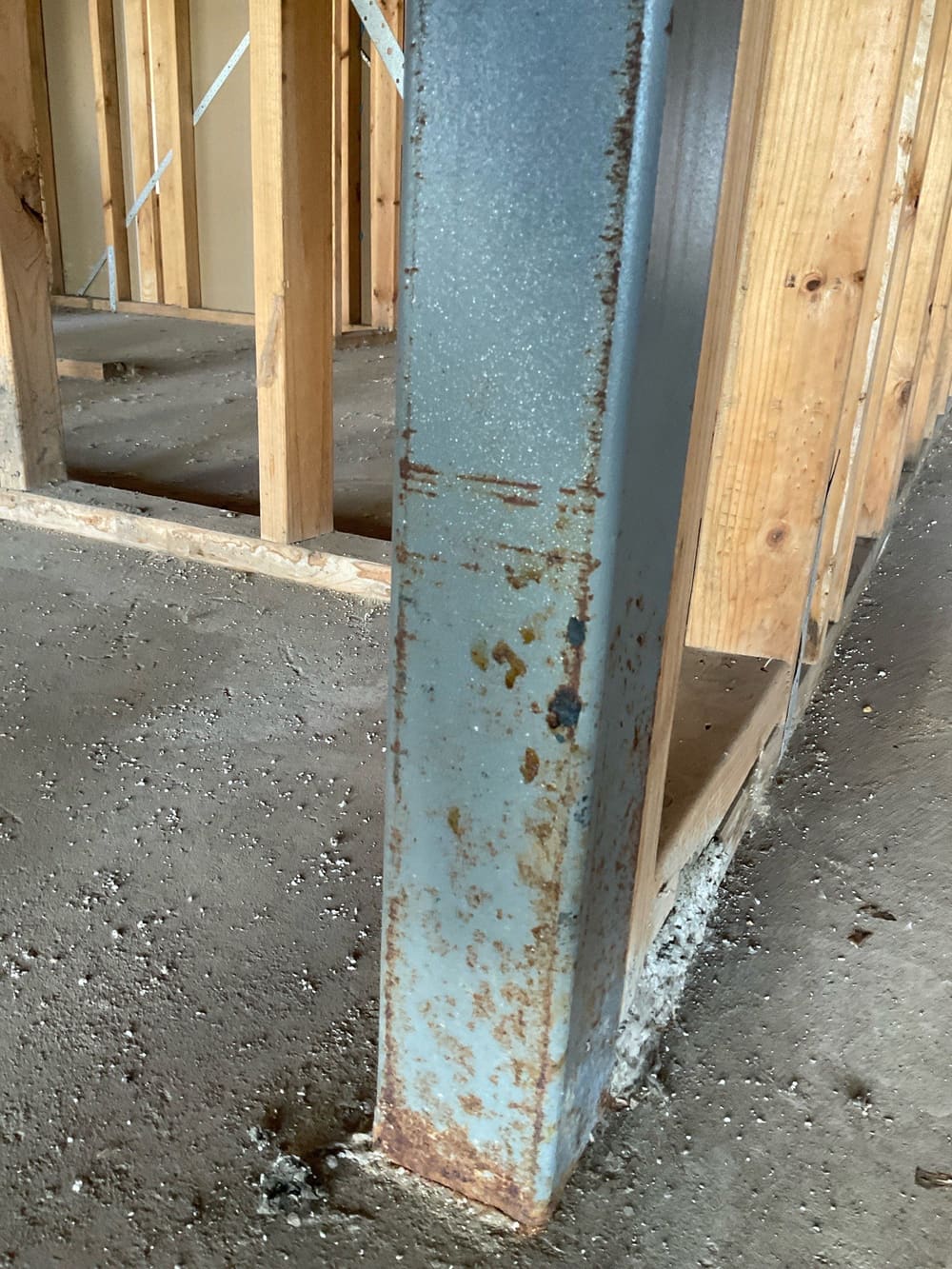
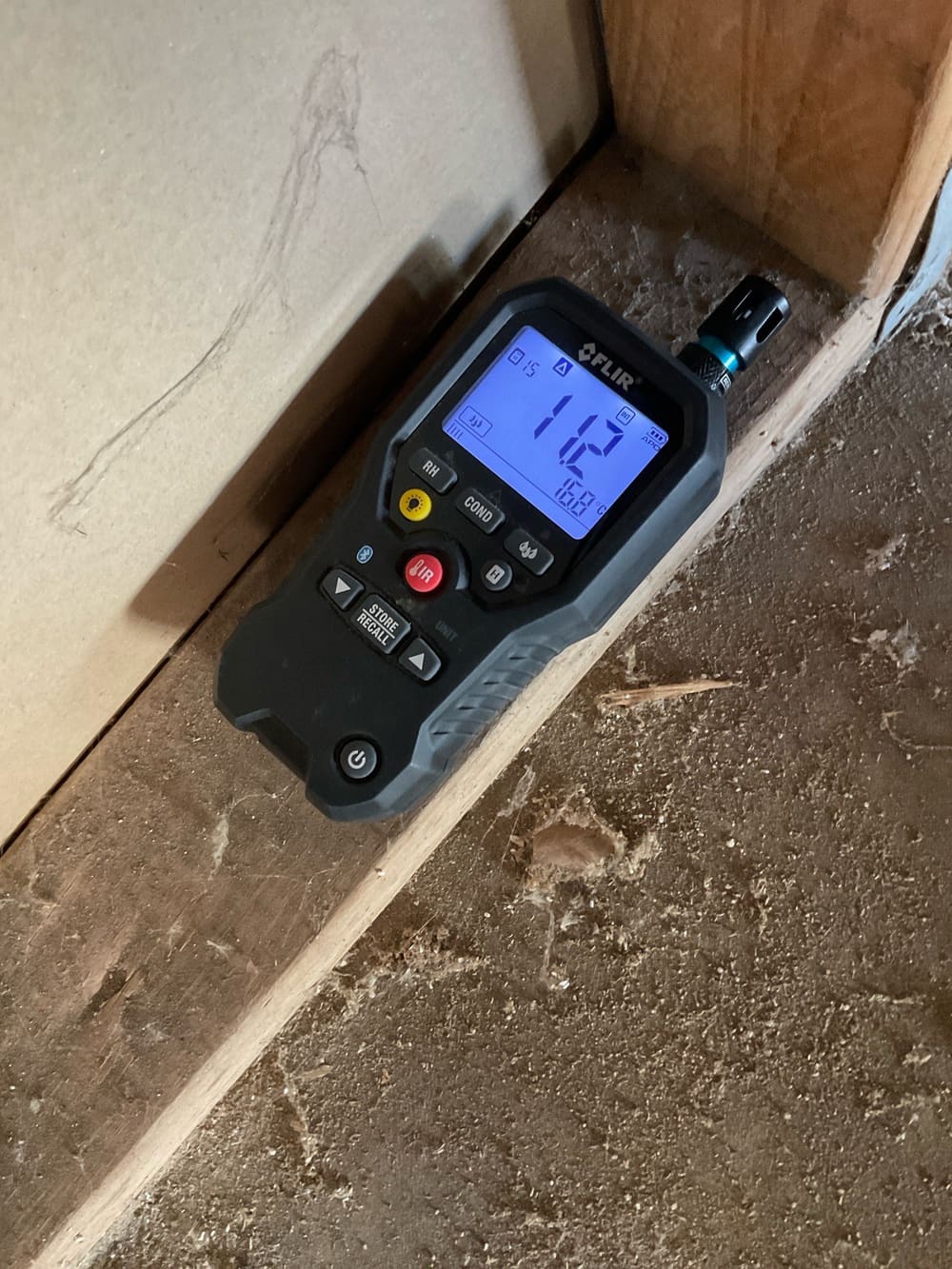
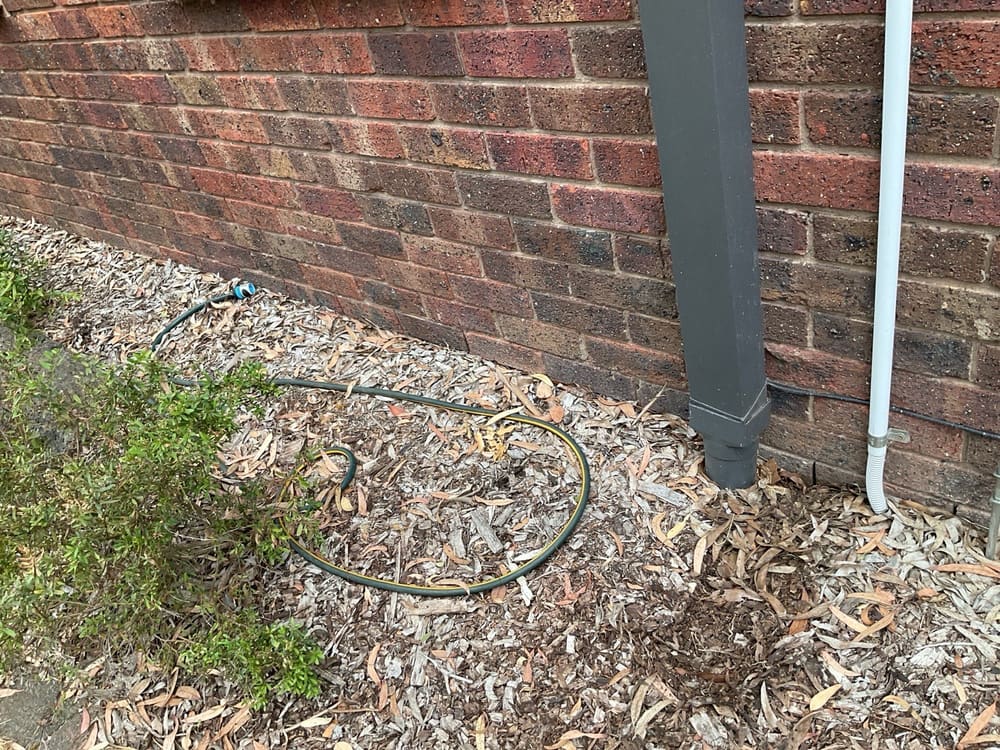
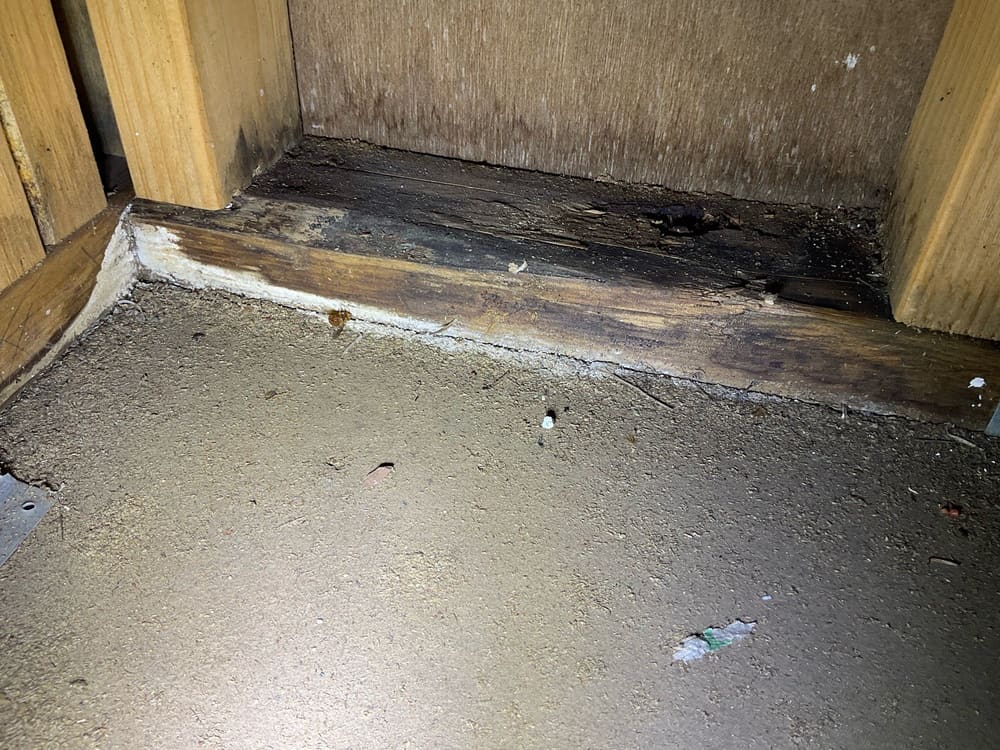
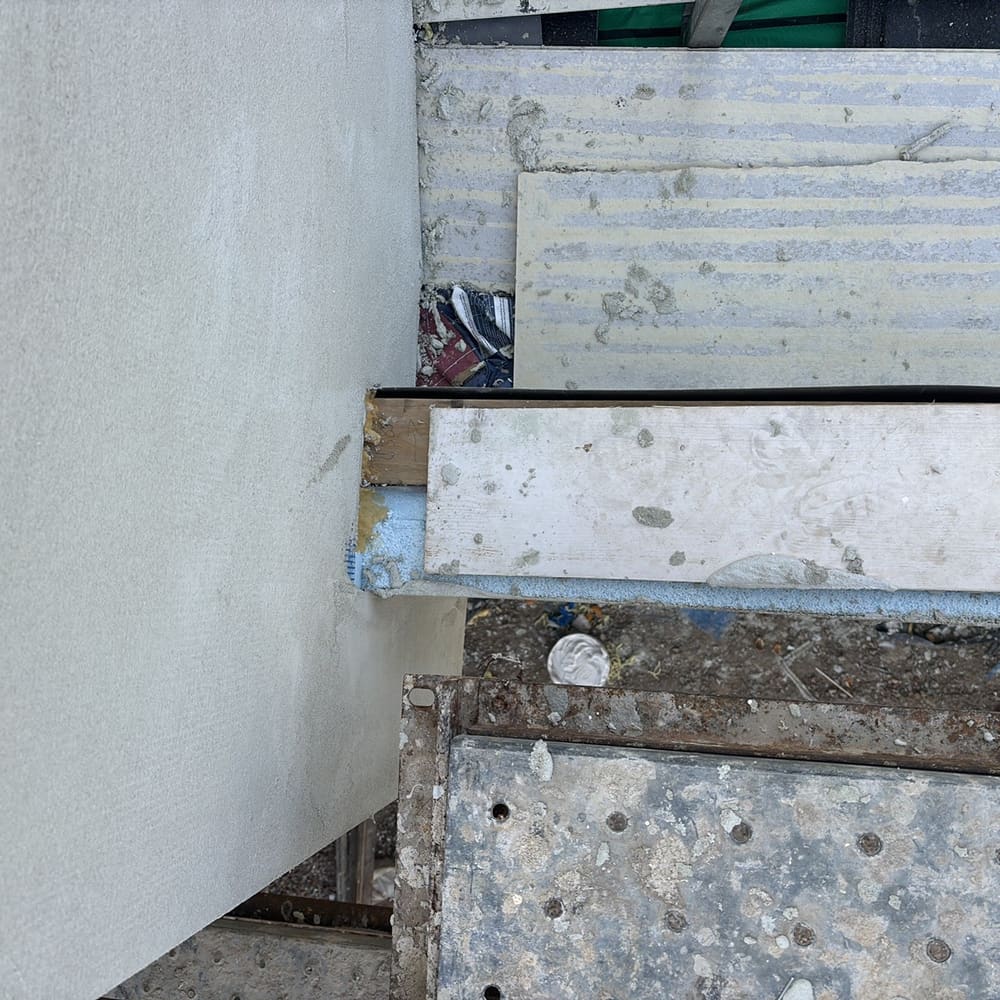
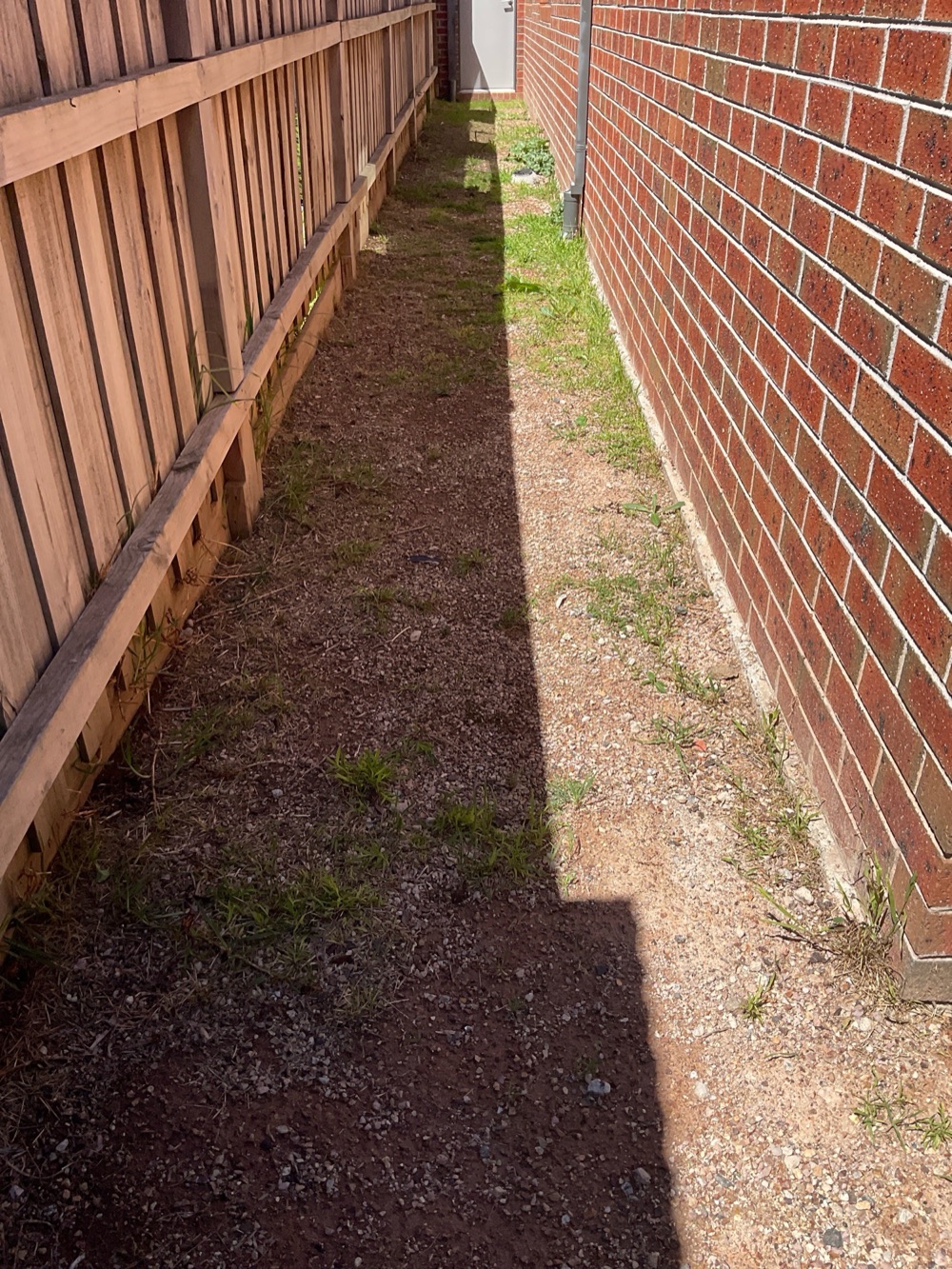
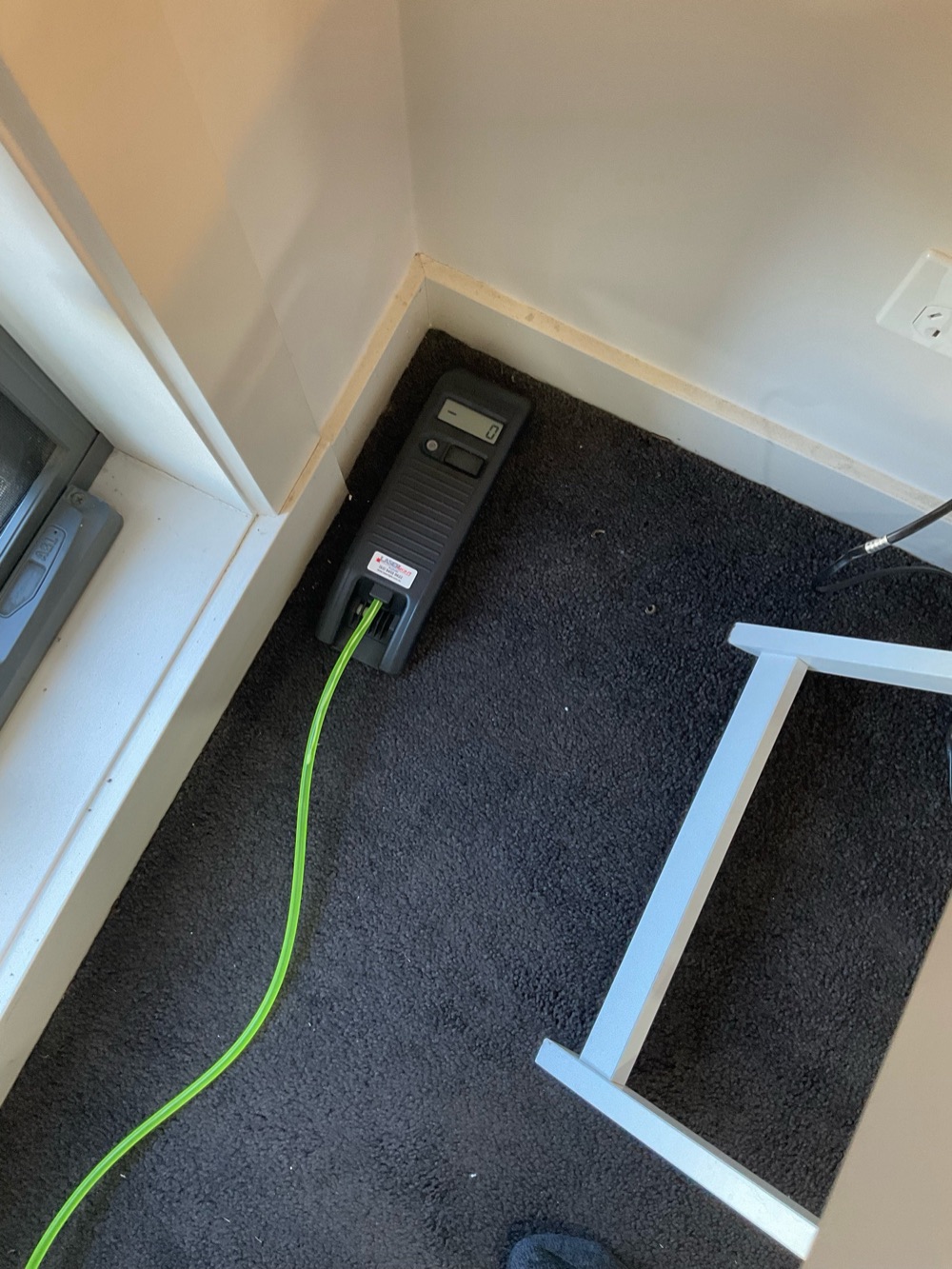
Examples from recent inspections around Point Cook.
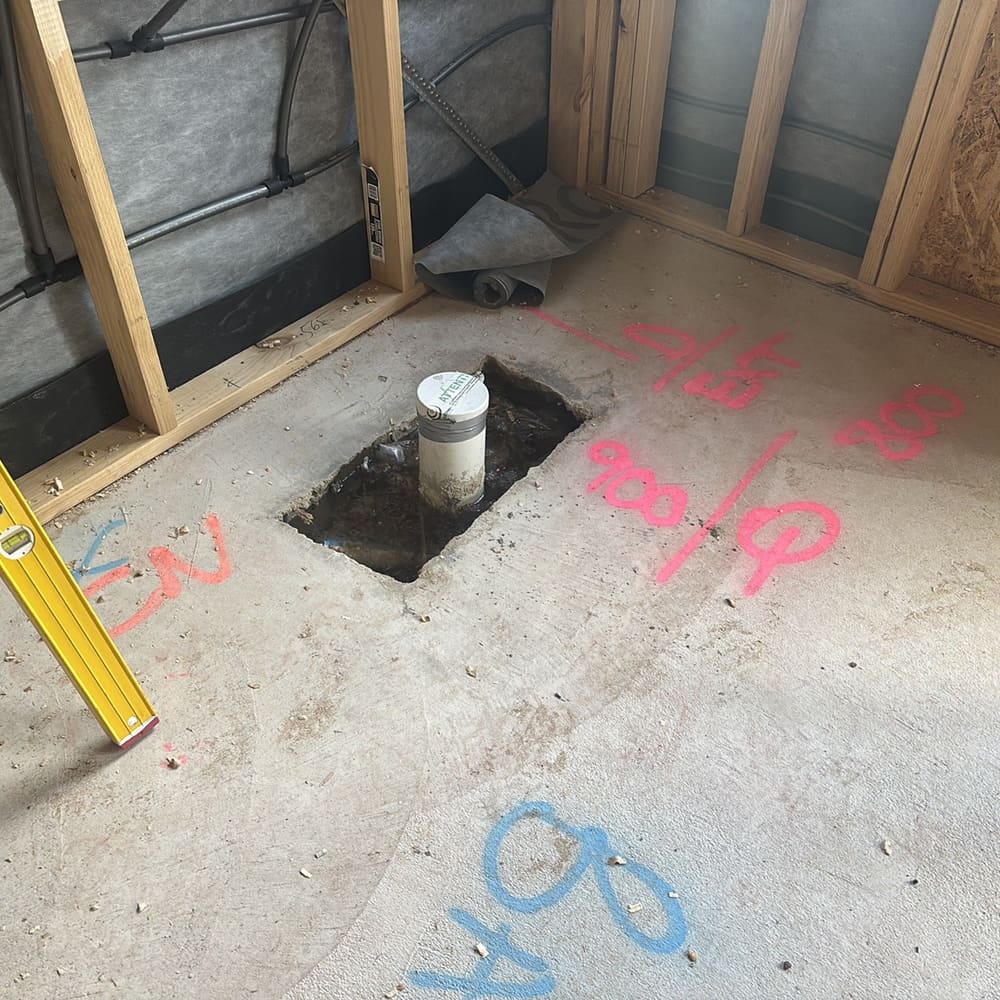
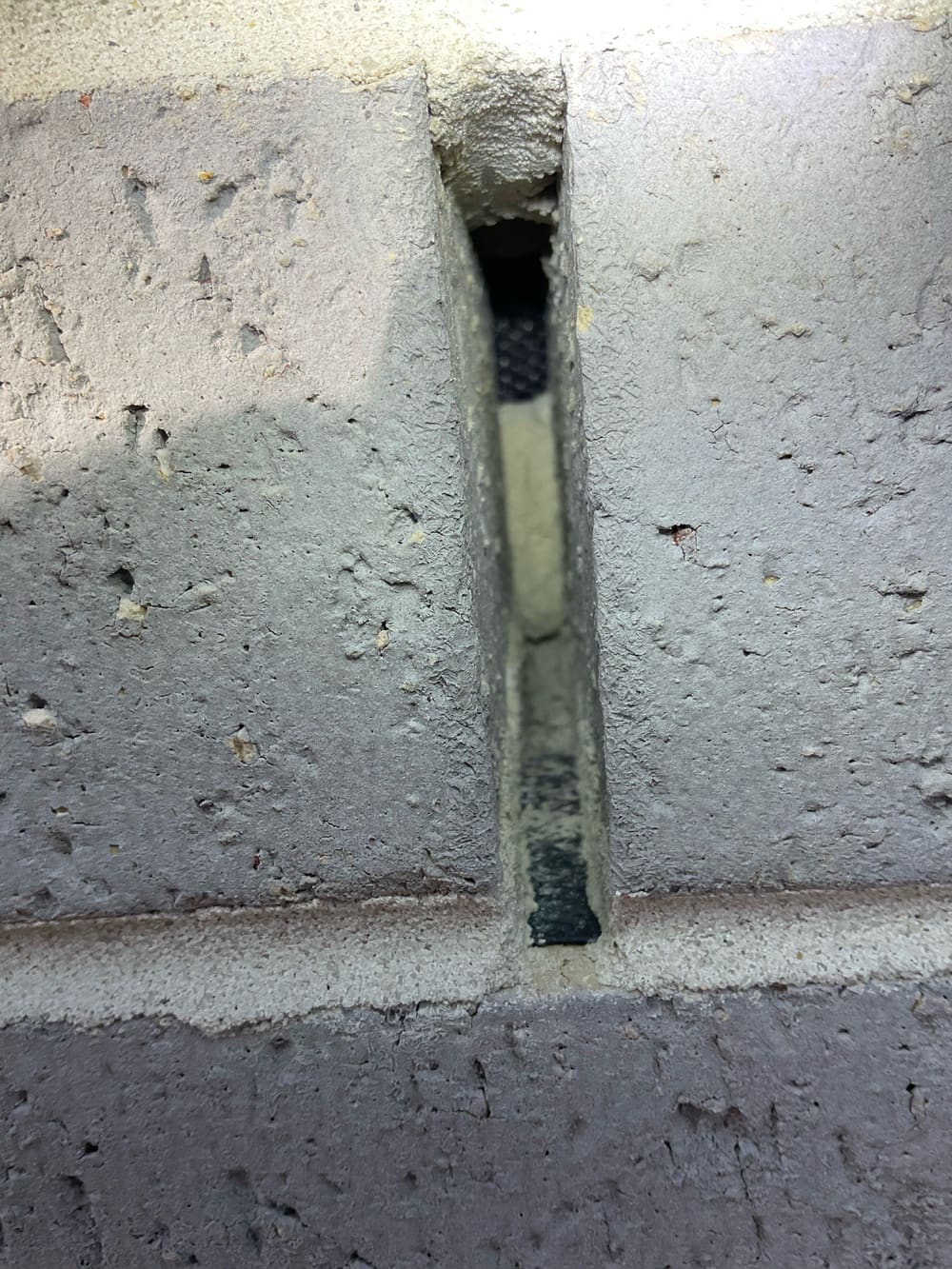
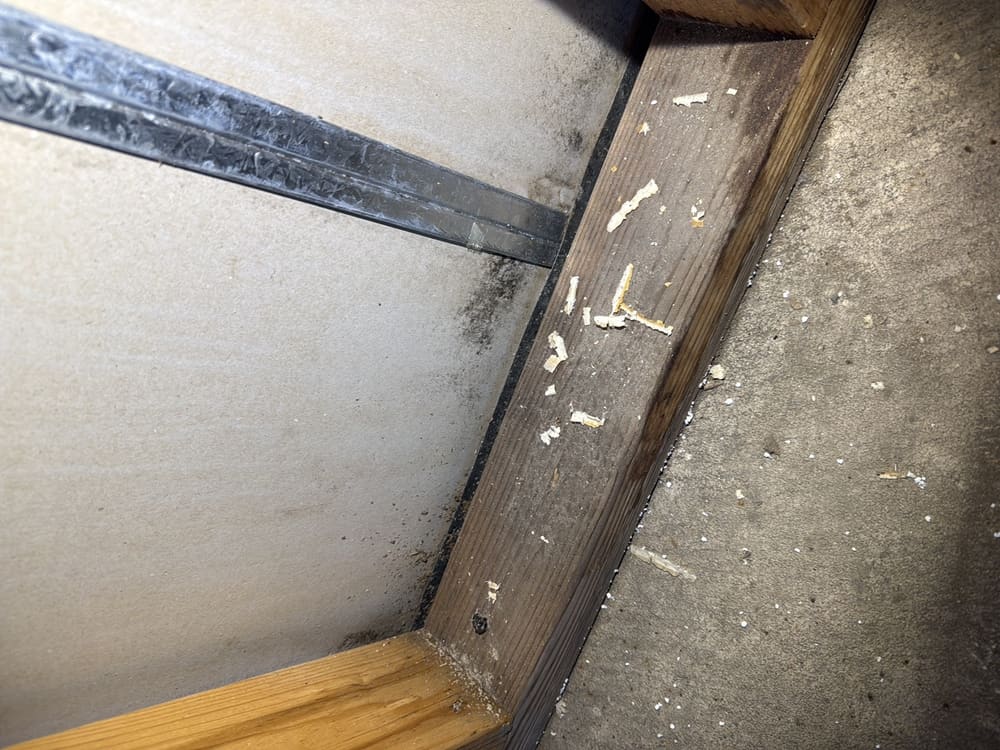
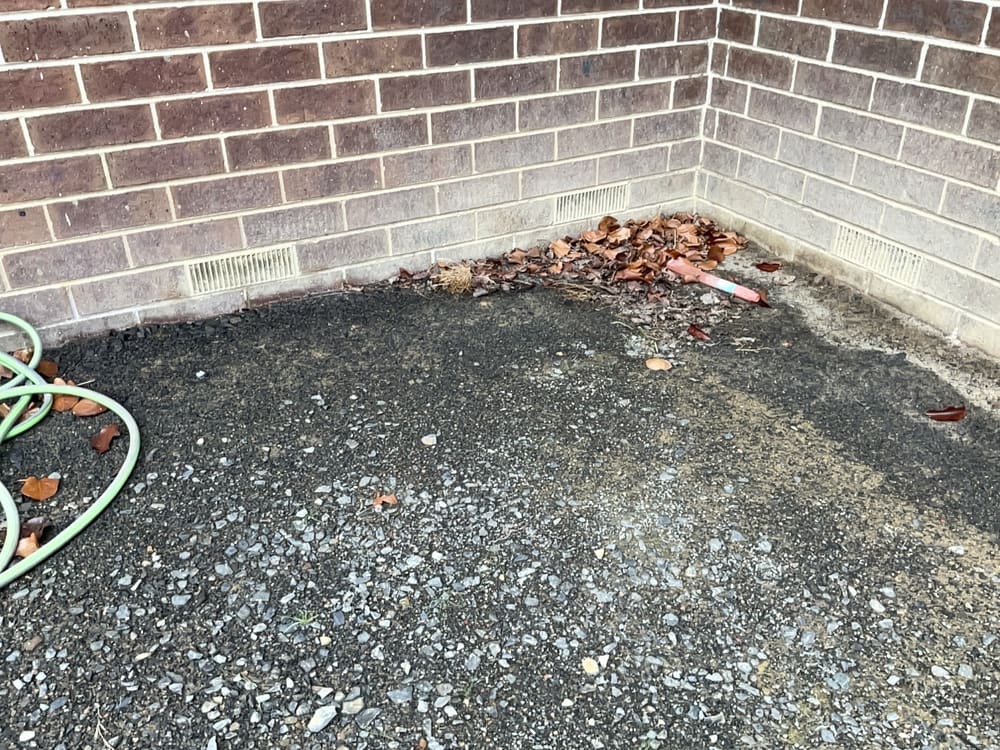

 Building and Pest Inspections Building and timber pest together, looking as hard at the ground around the house as at the house.
 Pre-Purchase Building Inspections A settled Point Cook home assessed under AS 4349.1, with movement measured rather than described.
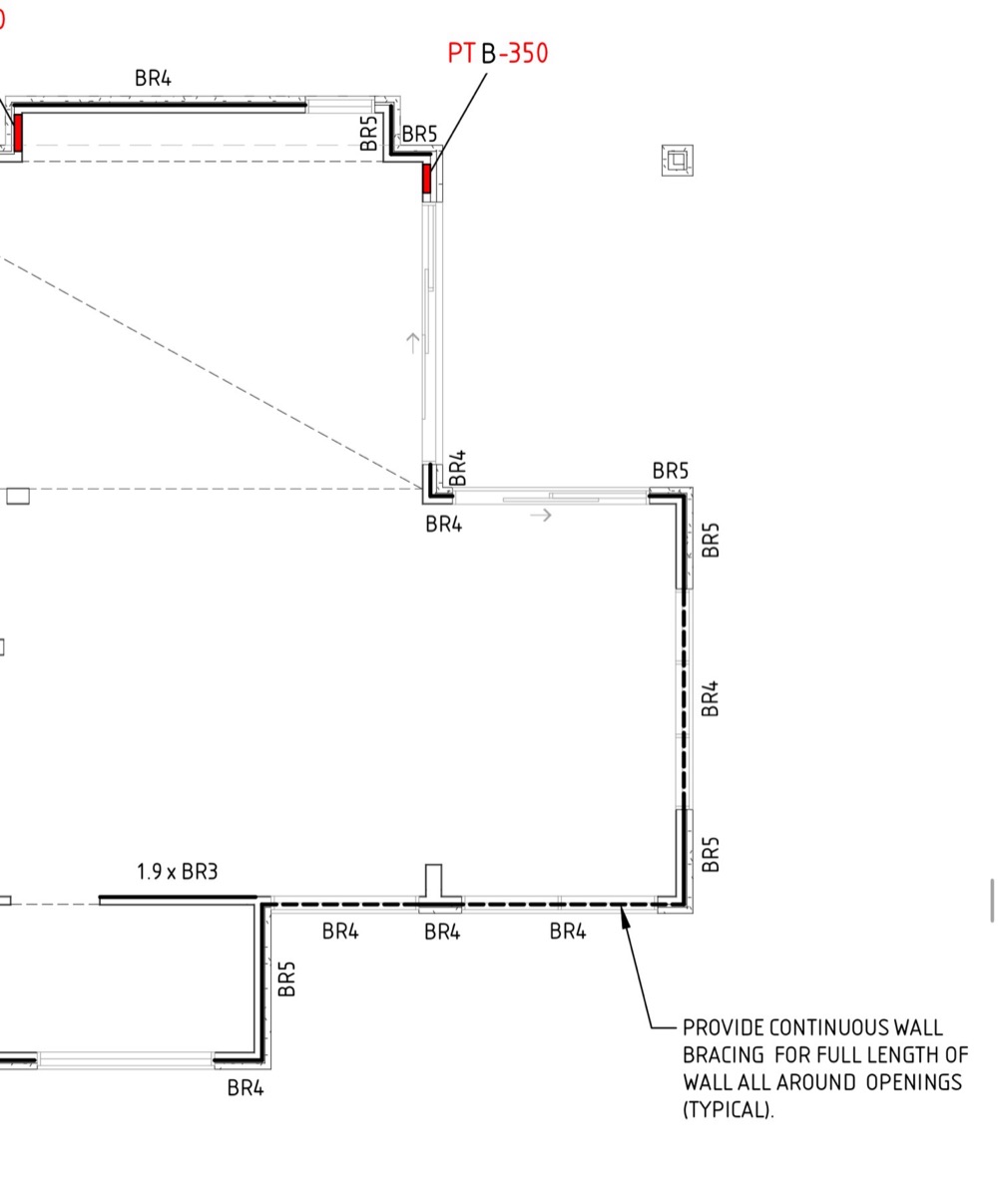 New Construction Stage Inspections Seven checks through a Point Cook build, with the structural items measured against your engineering drawings.
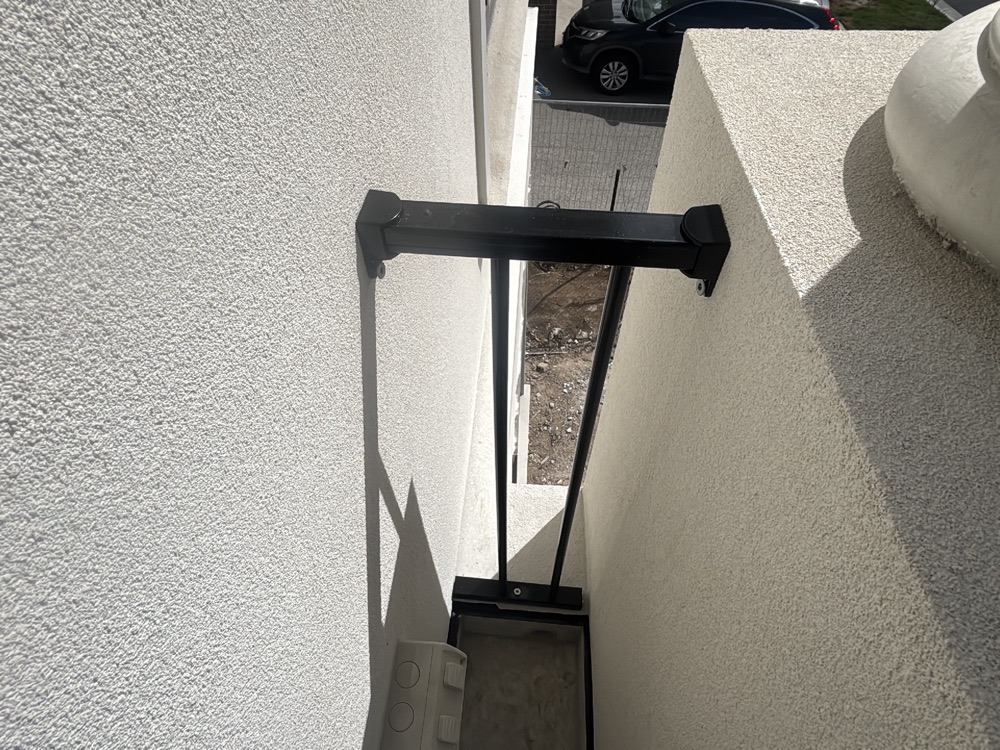 Pre-Handover (PCI) Inspections The inspection before keys, where the safety items get chased hardest.
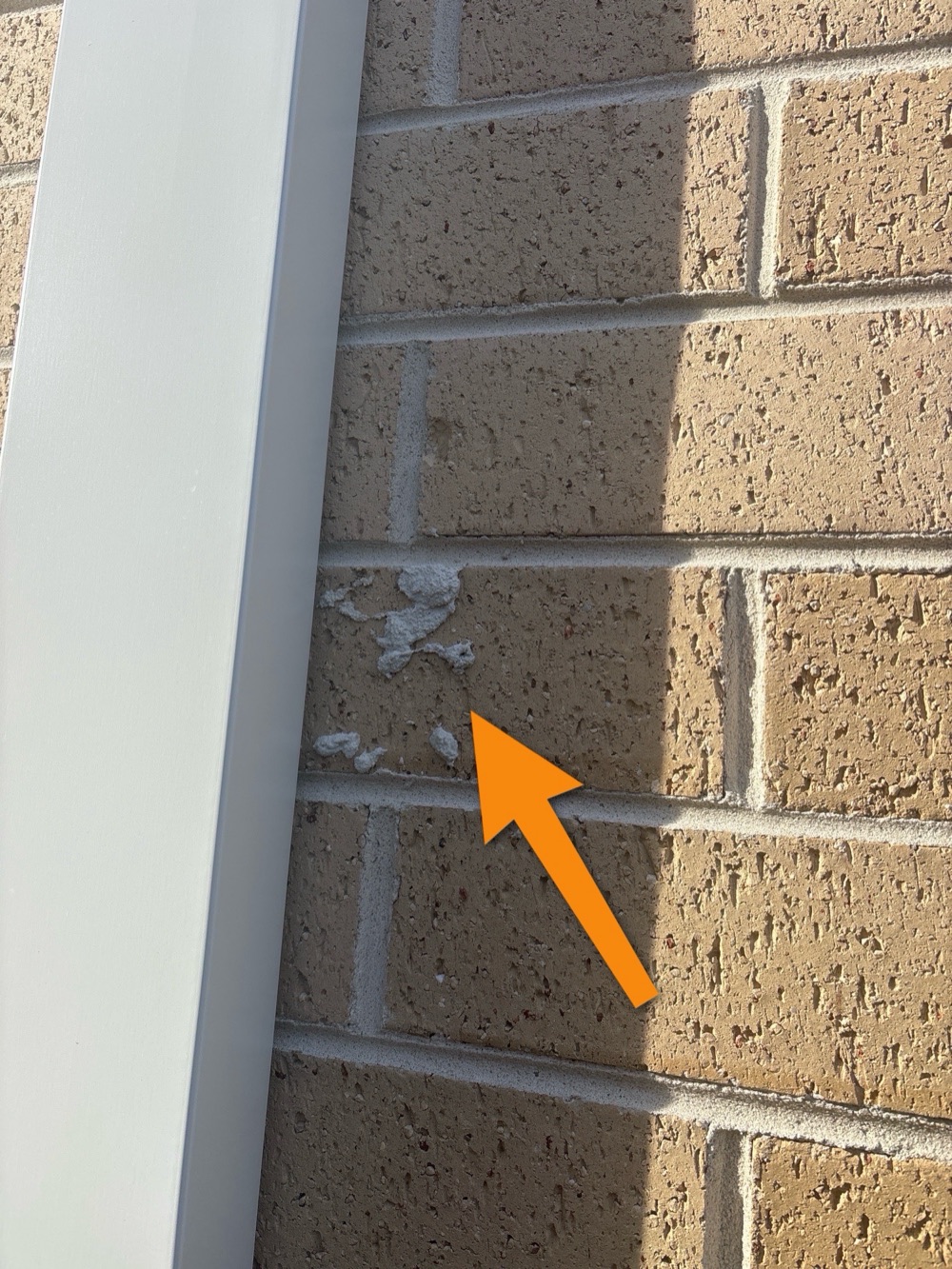 Dilapidation Reports A dated photographic record of your home before work starts on the block beside it.
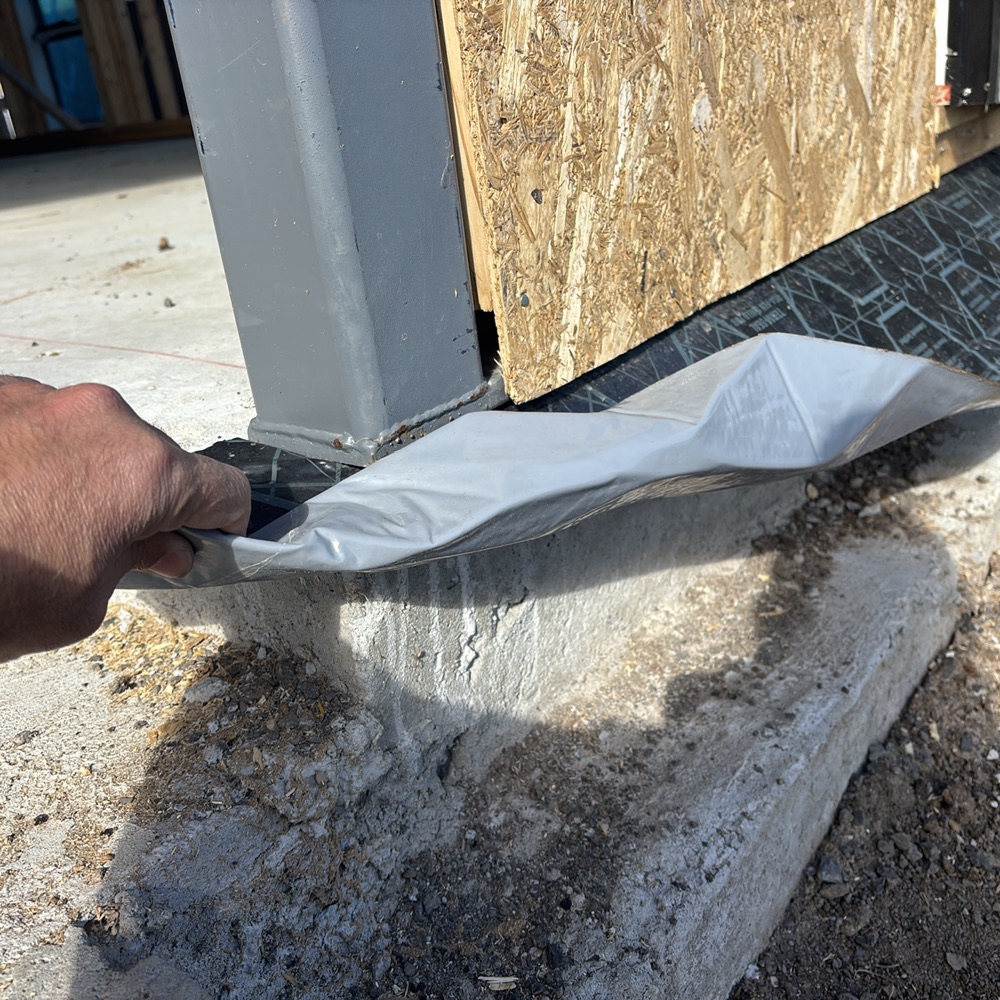 Expert Witness Reports Drawn to the VCAT expert evidence practice note when a dispute reaches the tribunal.
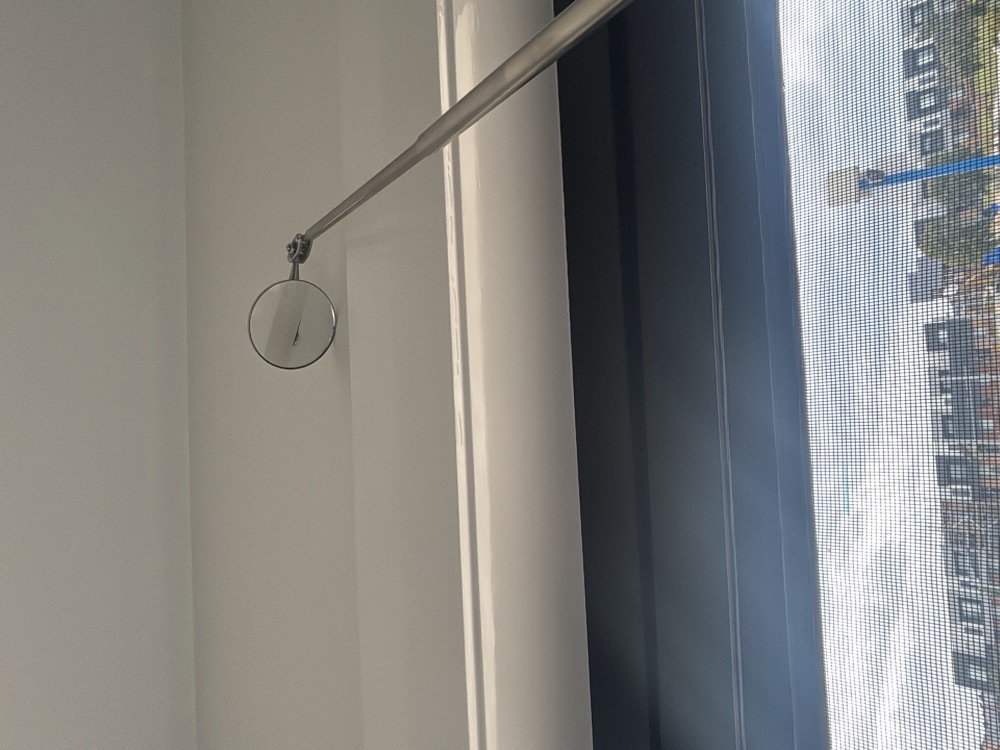 Pre-Listing Inspections See what a buyer's inspector will see, before your home is on the market.
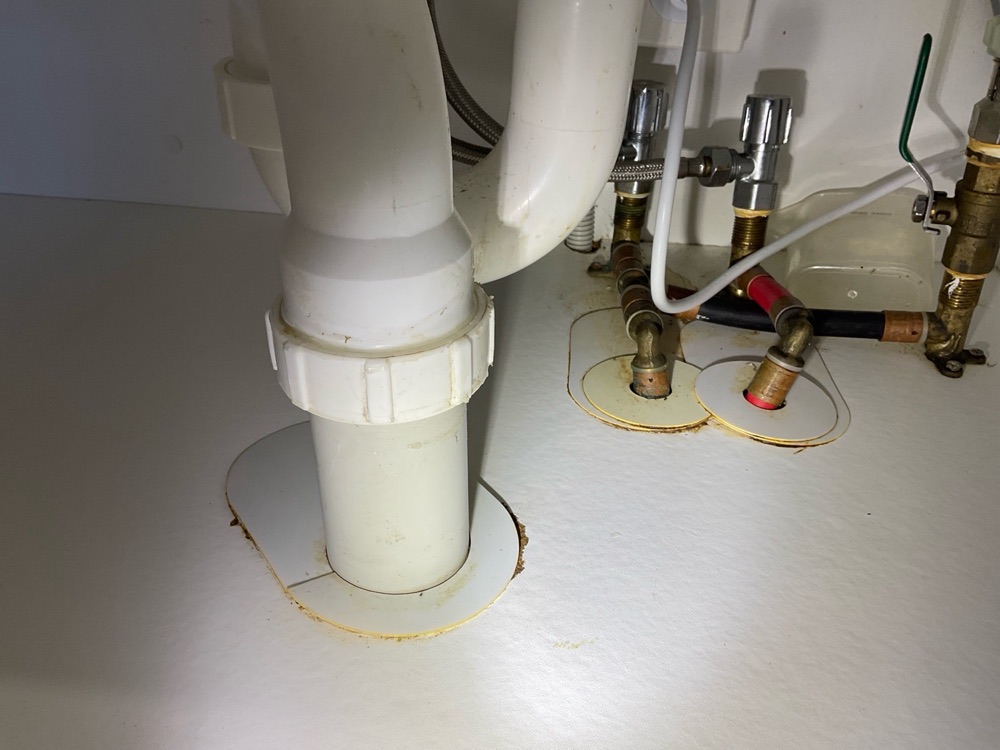 Insurance Claim Assessments An independent damage assessment to support an insurance claim.
Instant online pricing for Point Cook, or contact the booking team.
We go through every room, record the mould you can see and take moisture readings around each patch, using a thermal camera where damp may be hidden behind a lining. Then we follow the water outside: walls, weep holes, downpipes, garden beds and the roof space where it can be safely entered. You get the likely cause and the repair that addresses it.
No. This is a building inspection, so it identifies visible mould and its moisture source rather than mould species or spore counts. Victoria's Better Health Channel says testing is generally not necessary where mould is visible. If testing is needed, an occupational hygienist or environmental health professional takes samples for a laboratory.
That is a question for your doctor, not a building inspector. Victoria's Better Health Channel notes that people with allergies, severe asthma, weakened immune systems or chronic lung conditions are more susceptible, and recommends medical advice if you are concerned. Our part is to find the moisture and set out how to stop it.
Often the fan is not moving the moisture out of the house. It may discharge into the roof space, run too briefly after the shower, or pull too little air because the door is shut with no gap beneath it. Under the NCC condensation provisions, exhaust from a bathroom, laundry or kitchen in a new house must discharge to outdoor air, and a fan serving a bathroom without natural ventilation that does not run continuously must keep running for 10 minutes after the light is switched off.
That is a classic condensation pattern. A wardrobe on an external wall is cold and has almost no air movement, so moisture in the room settles on the wall behind the clothes. We take moisture readings, check the outside of that wall for water entry, and explain the likely cause, whether ventilation, insulation or a building defect, and any further testing needed.
Yes. Weep holes let water drain out of a brick veneer cavity, and the damp course has to sit above the paving or soil next to it, so beds and paving built up over the years can trap water against the wall. Downpipes emptying onto the ground beside the slab can make it worse, and the inspection checks which of these apply to your home.
For agreements that started, or became periodic, on or after 29 March 2021, Victoria's rental minimum standards require every room to be free from mould and damp caused by or related to the building structure. Consumer Affairs Victoria says the rental provider may be responsible where a building problem, such as a faulty window frame, let water in, and the renter may be responsible where their actions contributed, such as not using the bathroom fan. A report showing the building cause helps settle which it is, and either party can apply to VCAT if they cannot agree.
Possibly, if the moisture comes from defective work. Every domestic building contract carries implied warranties under the Domestic Building Contracts Act 1995, including that the work is done in a proper and workmanlike manner and complies with the Building Act 1993 and its regulations, and those warranties run with the building to later owners. A building action generally has to be brought within 10 years of the occupancy permit, and the route is the builder in writing, then the Building and Plumbing Commission's dispute resolution service (formerly DBDRV), then VCAT.
Laboratory sampling, spore counts and air quality testing, any health assessment, and destructive work such as opening walls or lifting tiles. We also do not pressure test plumbing, certify waterproofing or carry out mould removal. If the cause can only be confirmed by an opening or a specialist, the report says where and why.
The price depends on the size of the house and the number of affected areas, and the instant quote gives it to you before booking. Your written report follows the inspection, with photographs, meter readings and the likely cause.
Yes. We inspect across Point Cook, from Upper Point Cook and Boardwalk to Saltwater Coast, Life and Palmier, as well as Williams Landing, Sanctuary Lakes, Truganina, Laverton, Werribee and Hoppers Crossing.